From “teach me” to “guide me”: why we chose mentors over teachers
Children who can look anything up in seconds need adults to guide, not lecture. Why the baton is passing from teacher to student, and what a mentor does.

Deepana Ishtaweera, Founder, RoboticGen
· 7 min read
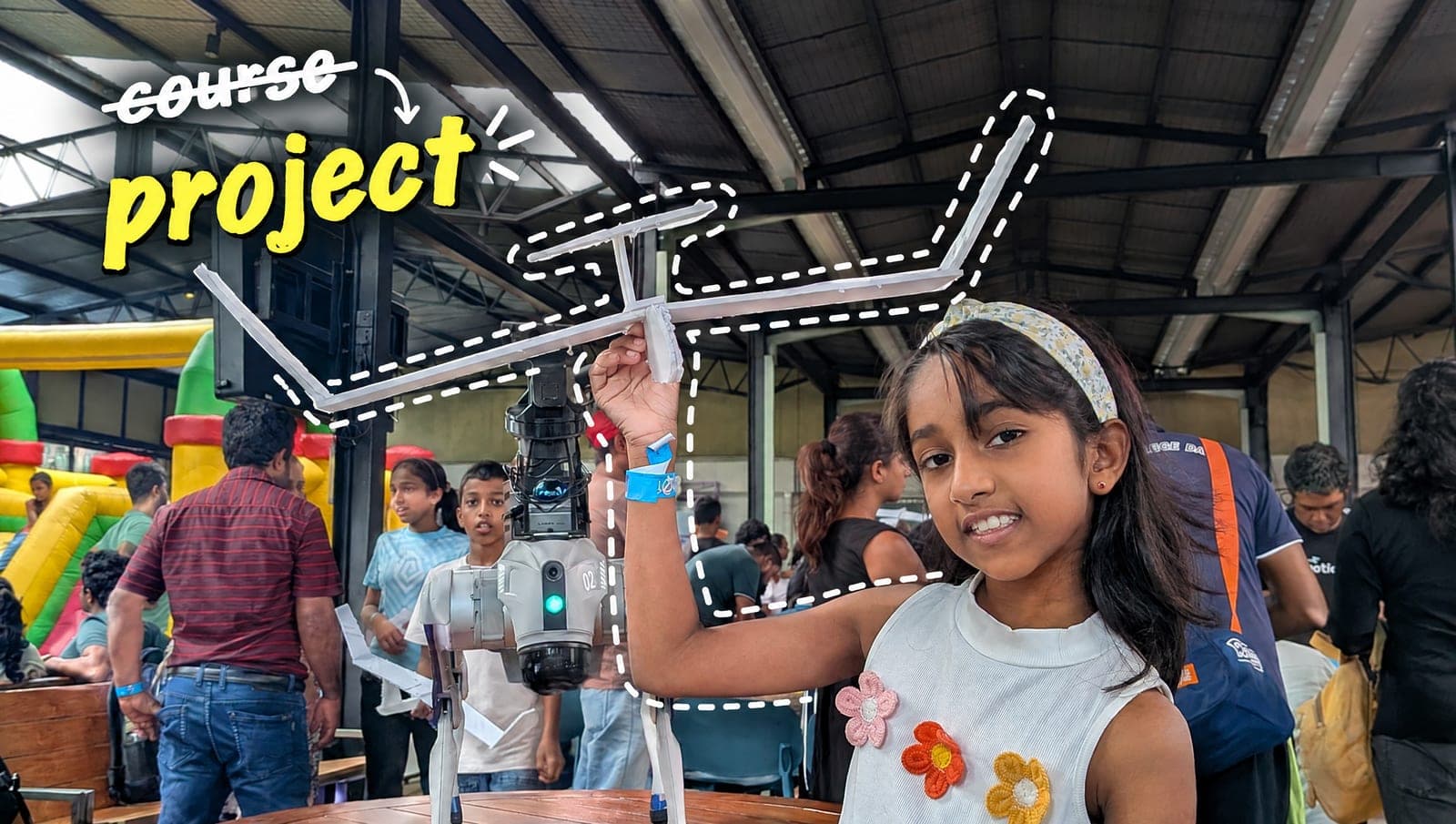
Watch a ten-year-old get stuck today. Before an adult can answer, they have searched it, found a video and tried it. When it only half works, they come looking for a person. They are not asking to be taught. They are asking for help with something they have already started.
That shift, from teach me to guide me, is why RoboticGen Academy has mentors instead of teachers.
The baton is changing hands
For a century, school ran on a simple deal: the teacher held the knowledge and the lesson passed it on. The teacher also held the baton, deciding what to learn, in what order and at what pace.
The deal made sense when knowledge was scarce. Now a child with a phone has more explanations of Python loops or servo motors than any teacher could give in a lifetime. What is scarce is everything around the knowledge: choosing what to build, staying with a hard problem, judging whether an answer is any good, and having someone notice before you give up.
So the student takes the baton, and the adult's job changes from delivering answers to guiding the work. Alison King named this in 1993 as the move from "sage on the stage" to "guide on the side" (opens in a new tab). She didn't ask teachers to stop teaching, only to stop doing all the thinking. Today's children have made that move unavoidable.
Generation Alpha learns differently
Generation Alpha are the children born from 2010 to 2024: more than 2.8 million every week (opens in a new tab), heading for almost two billion, the largest generation in history. Every child we teach, from 5 to 16, is one of them.
They grew up with answers on demand. In 2018, half of American YouTube users already called the site very important for learning to do new things (opens in a new tab). By 2024, 70% of American teenagers had used generative AI (opens in a new tab), over half of them for homework, and fewer than four in ten of their parents knew.
Mark McCrindle, who named the generation, puts the challenge precisely: they don't have to "learn, memorise or follow structured instruction in the same way", but attention and critical thinking "need to be actively developed." Access is solved. Judgement is not.
The world is moving the same way
The OECD, the Organisation for Economic Co-operation and Development, built its Learning Compass 2030 (opens in a new tab) around student agency, "acting rather than being acted upon." It sets the traditional model, where "teachers are expected to deliver knowledge through instruction and evaluation", against co-agency, where "teachers and students become co-creators."
Employers want what lectures can't deliver. In the World Economic Forum's Future of Jobs Report 2025 (opens in a new tab), they expect 39% of workers' core skills to change by 2030. Analytical thinking tops the list; AI and big data are growing fastest, alongside creative thinking, resilience and curiosity.
Schools that acted on this look alike. Singapore's Prime Minister told the country in 2004, "We've got to teach less to our students so that they will learn more." (opens in a new tab) Finland added phenomenon-based project modules (opens in a new tab) to its curriculum in 2016. Big Picture Learning (opens in a new tab), founded in 1995 to educate "one student at a time", now has more than 140 schools in its network.
Sri Lanka announced in 2025 a move away from a system "solely focused on pass or fail examination outcomes" (opens in a new tab). Grade 1 reforms began in 2026; Grade 6 was deferred to 2027 (opens in a new tab).
What the evidence says
Personal attention works, though not miraculously. Benjamin Bloom's 1984 finding that tutored students outperformed 98% of a normal class (opens in a new tab) came from two short studies and has never been replicated (opens in a new tab). The reliable figure, from 96 randomised trials, is a gain of about 0.37 standard deviations (opens in a new tab), larger with trained tutors and younger children. For a single change to how children learn, that is a large effect.
Building beats listening. In two large randomised studies of project-based learning, third-graders scored 8 percentage points higher in science and high-school students were 8 points more likely to pass Advanced Placement exams (opens in a new tab). Students from low-income families gained as much as anyone.
Ownership is the reason. Self-determination theory holds that people need autonomy, competence and relatedness (opens in a new tab), and that autonomy-supportive teachers produce students with "greater intrinsic motivation, curiosity, and desire for challenge." A child who picks the project, gets it working and has an adult in their corner has all three.
Teacher and mentor
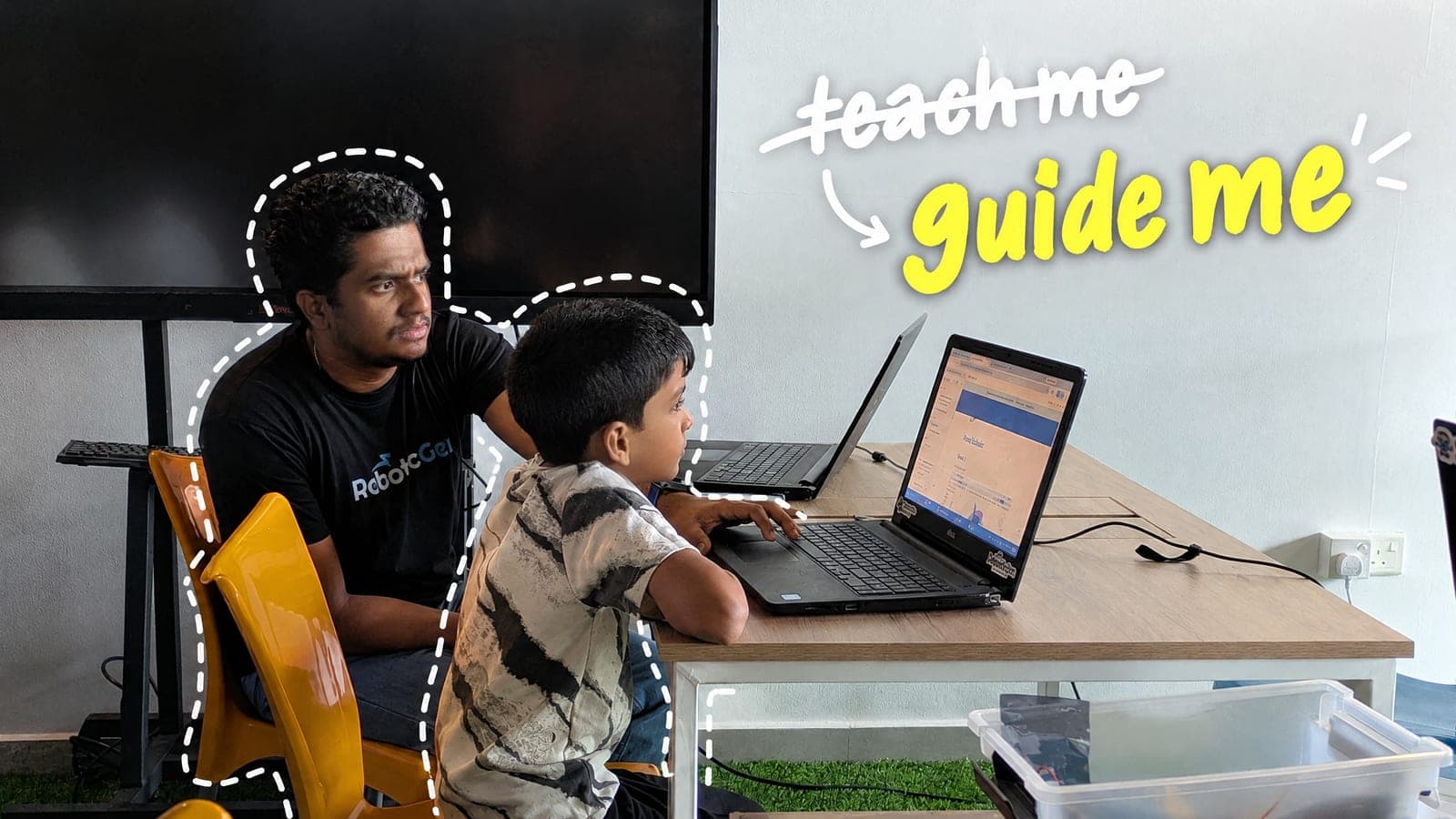
A teacher with thirty or forty children has to move the room together. A mentor with one or two can work differently.
| A teacher, by necessity | A mentor |
|---|---|
| Sets the same task for everyone | Helps each child choose a project that matters to them |
| Explains first, then checks | Lets the child try first, then asks what happened |
| Answers the question | Asks the next question |
| Moves on when the lesson ends | Moves on when the child understands |
| Measures with a test | Looks at what the child built and how they explain it |
This is about the setting, not the people. Given an hour with one or two children, most good teachers would mentor too.
AI raises the stakes
AI can explain anything, patiently, at any hour. It can also do the thinking for the child. The OECD's Digital Education Outlook 2026 (opens in a new tab) warns that "successfully completing tasks with GenAI does not necessarily translate into learning", and that the gains often vanish, or even reverse, once the AI is taken away.
That is why the better AI tutors are built to behave like mentors. Khan Academy says its Khanmigo "guides learners to find the answer themselves" (opens in a new tab), and UNESCO, the United Nations' education agency, asks in its 2023 guidance (opens in a new tab) for a "human-centred" approach. What no tool does is know your child: notice the frustration before they quit, remember what excited them last month, and hold them to finishing something hard. As explanations get cheaper, that becomes the valuable part of learning.
How RoboticGen works
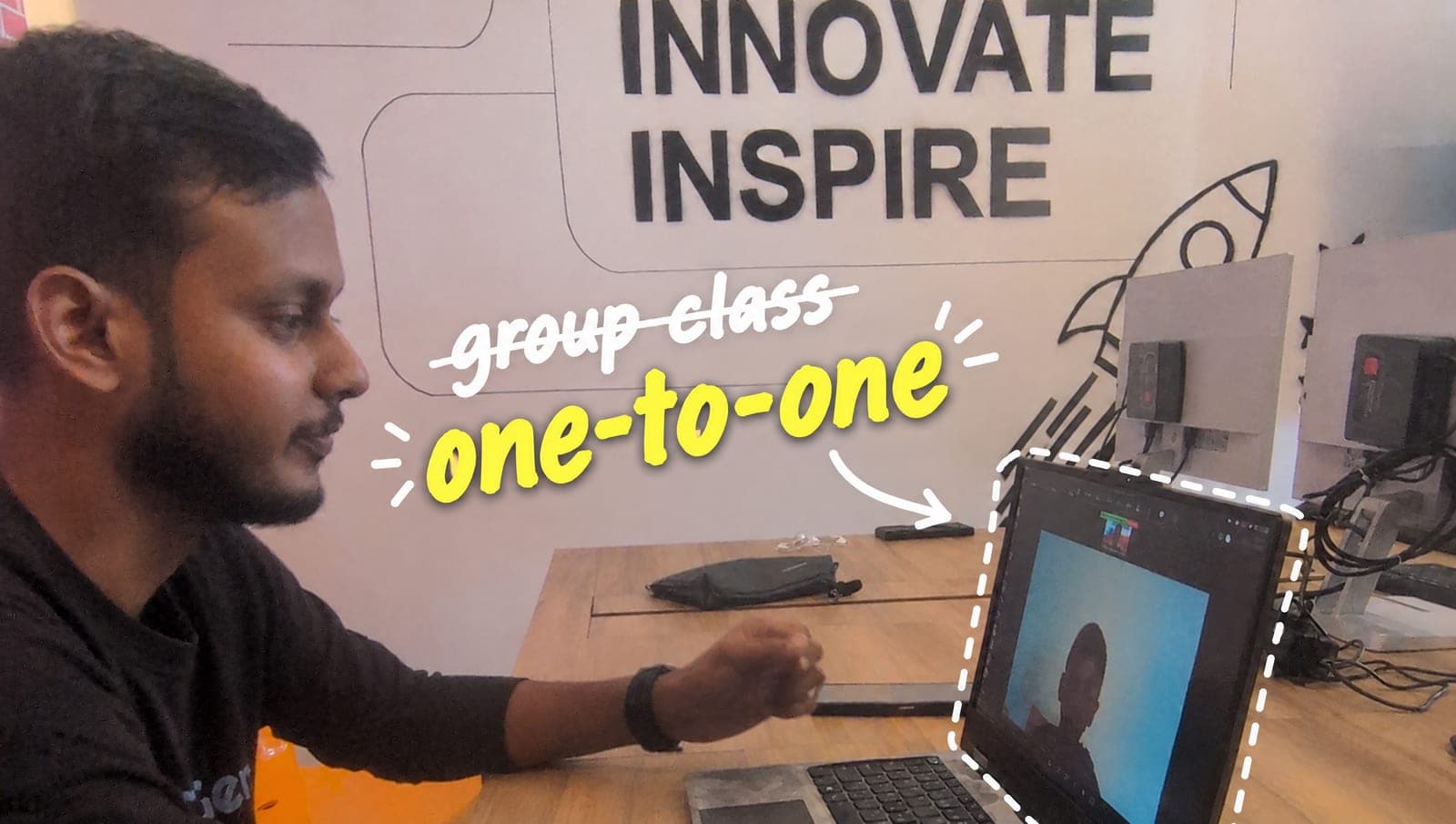
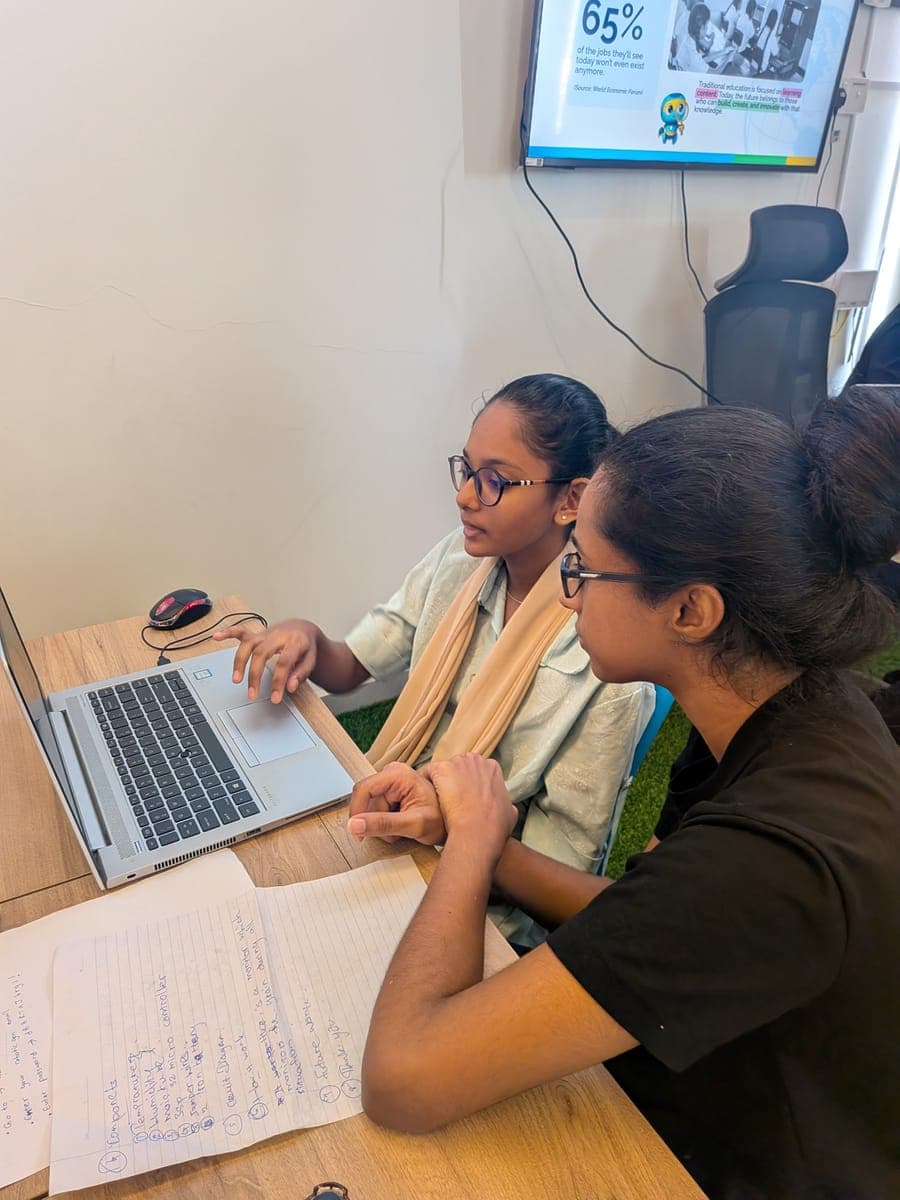
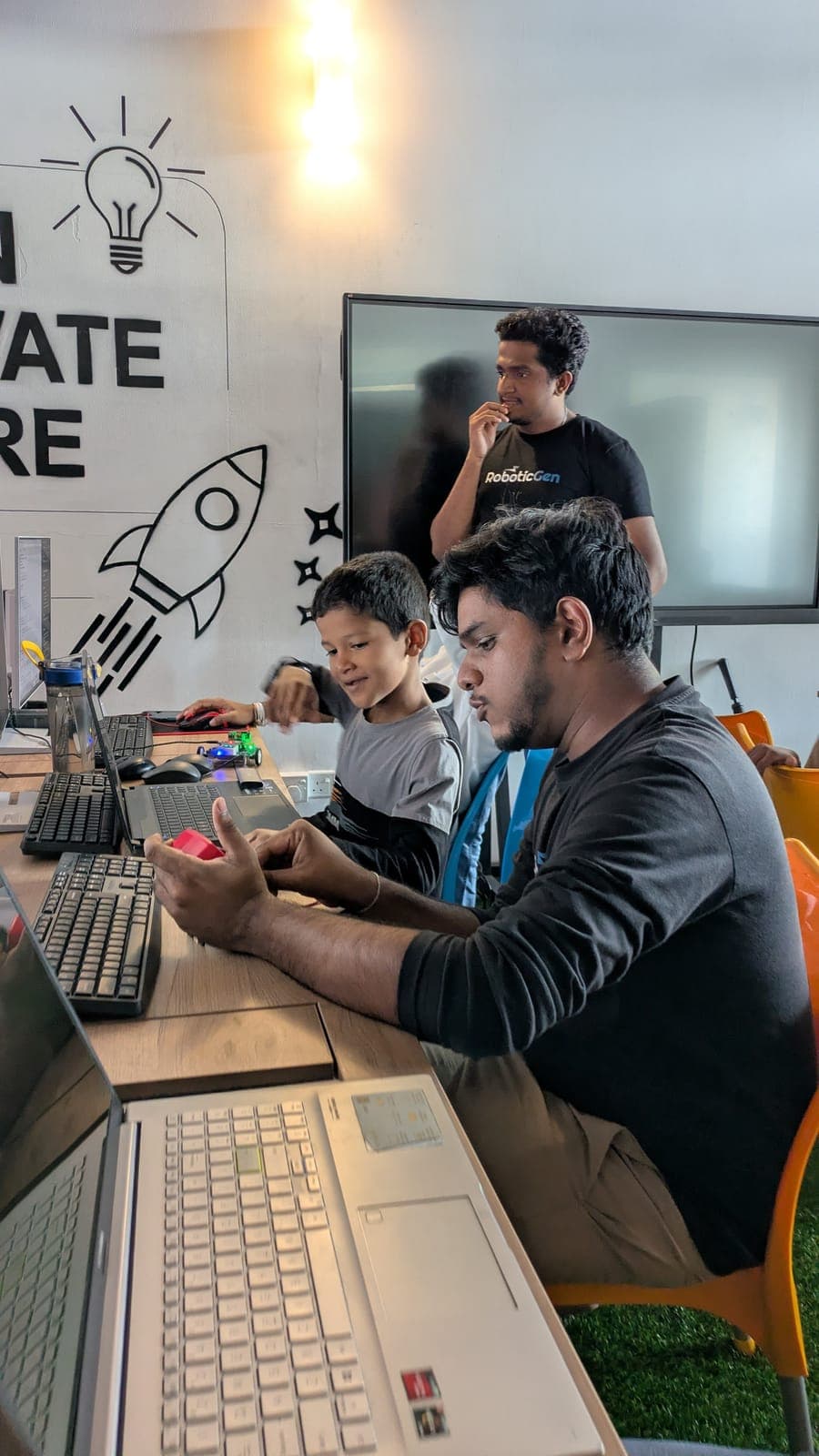
A mentor every week. Every child has one-on-one time with a trained mentor each week online, or at our Makerspace in Dehiwala, one-to-one or in a pair.
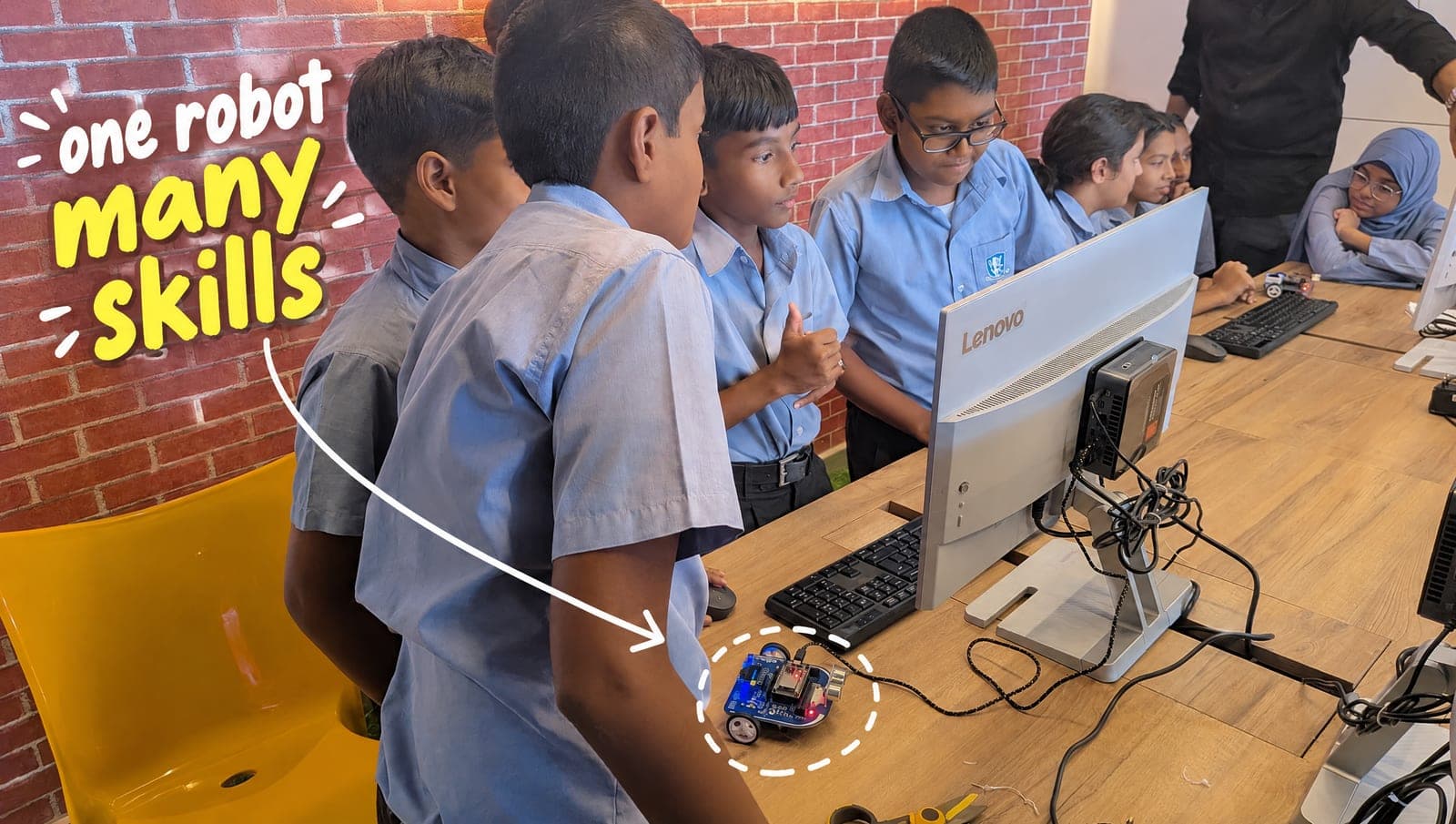
Project first. Children learn robotics, coding and AI by building: a line-following robot, a game, a smart device for home. Each project takes a few weeks, and the next is chosen with the child.
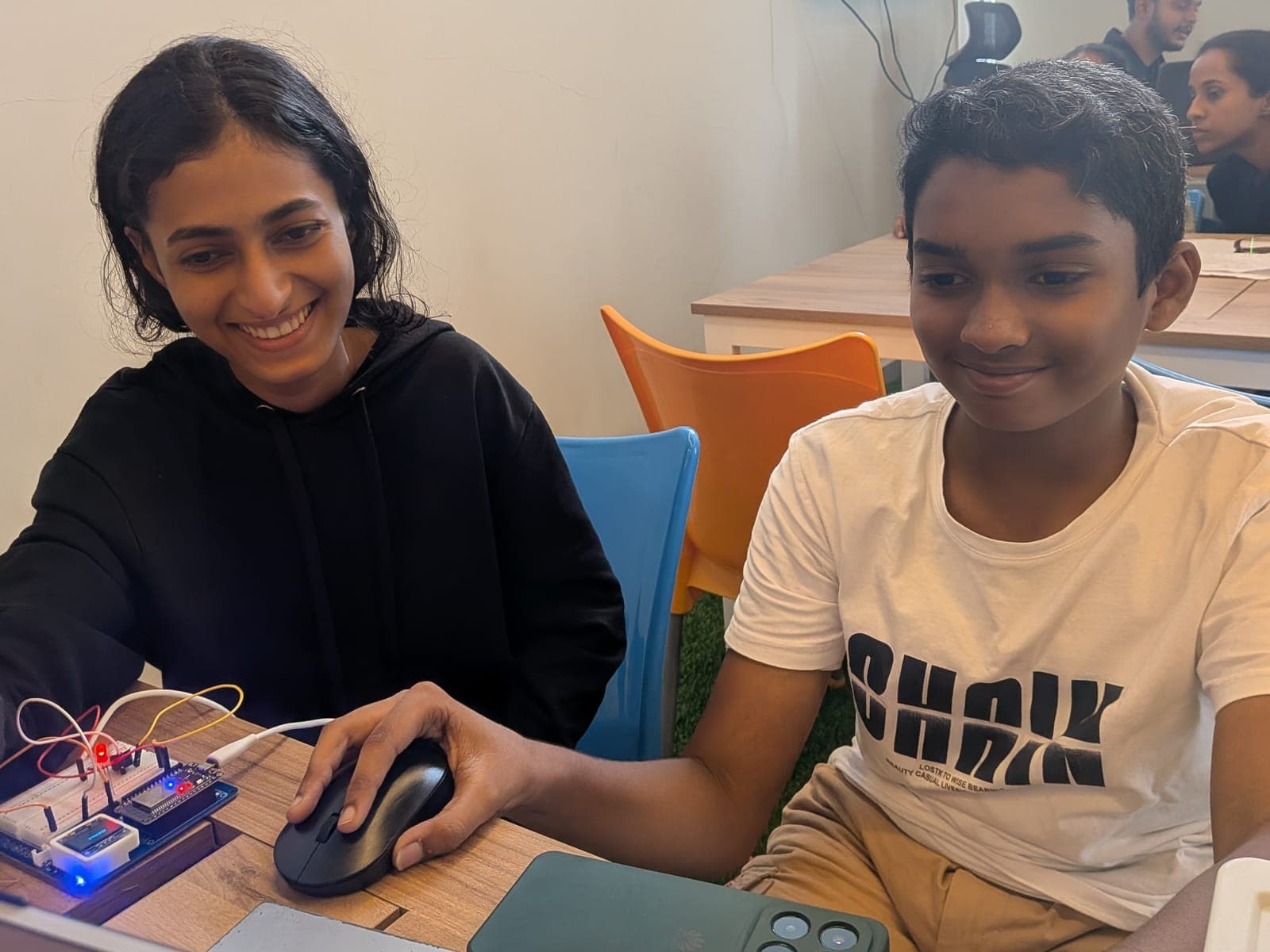
Self-paced. Children who race ahead get the next challenge immediately; those who need another go at a circuit get it. Levels are earned by building, not by attendance.
The child explains. Students present what they built, first to their mentor, then to judges and parents at challenges and competitions. Explaining is the real test of understanding.
Parents can see it. Obo Nexus shows completed projects and challenges, and mentors send weekly updates.
Six questions to ask any programme
- Who decides what my child works on? Look for a real say, not only a fixed syllabus.
- How many children share the mentor's time? Attention is the scarce resource.
- What does my child make? Ask to see finished projects, not worksheets.
- What happens when they get stuck? You want "we ask questions until they find it", not "we show them".
- Do they explain their work? Presenting is where understanding shows.
- How will I know how it's going? Specific weekly updates beat a report card once a term.
Passing the baton isn't letting go
In a relay, the baton is never thrown. The next runner starts early, both run side by side, and for a moment both hands are on the baton. Mentoring is that moment: running alongside until the child has a firm grip, then letting them run.