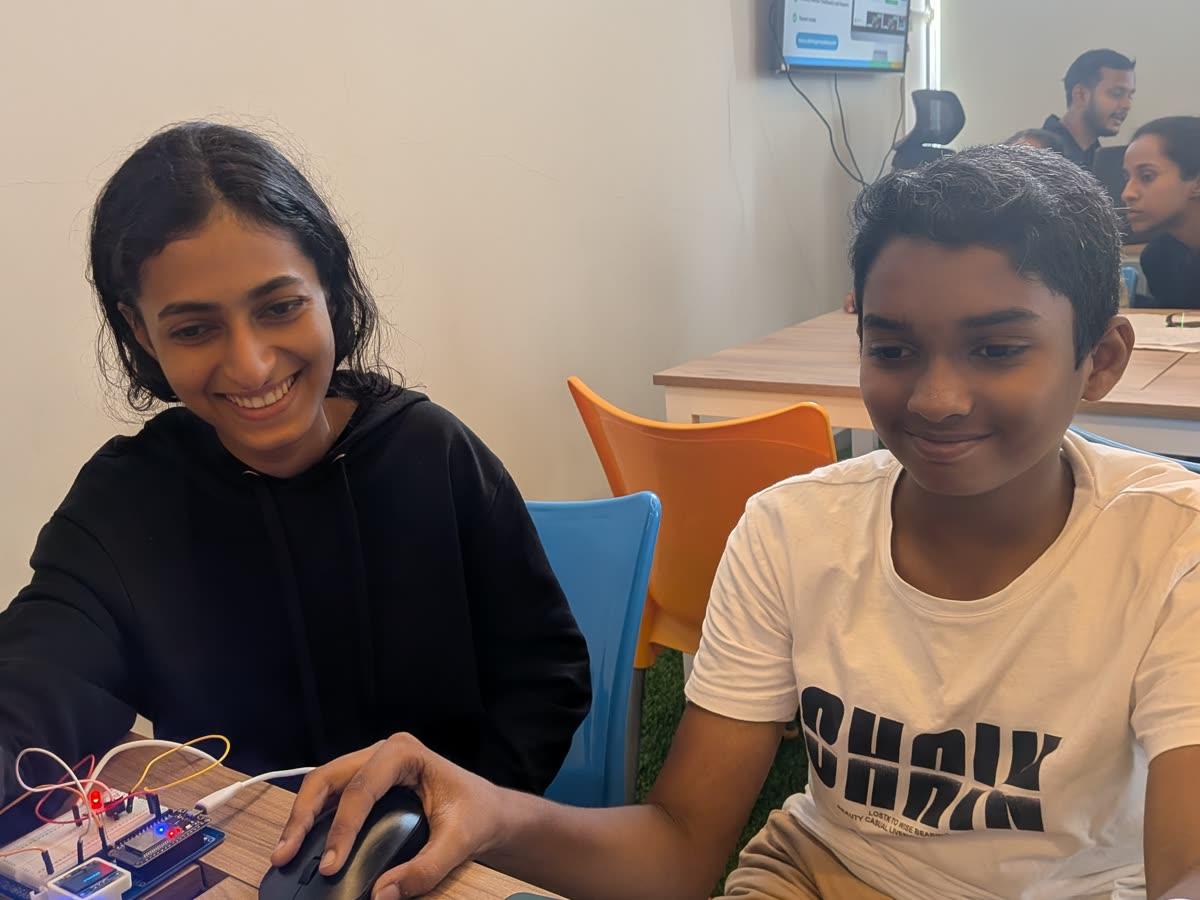
Robotics, coding and artificial intelligence, built into your school.
Hands-on science, technology, engineering, arts and maths (STEAM), in three stages that end with a lab your own teachers run.
STEM.org accredited, with more than 300 students mentored and award winners at Coolest Projects Sri Lanka.
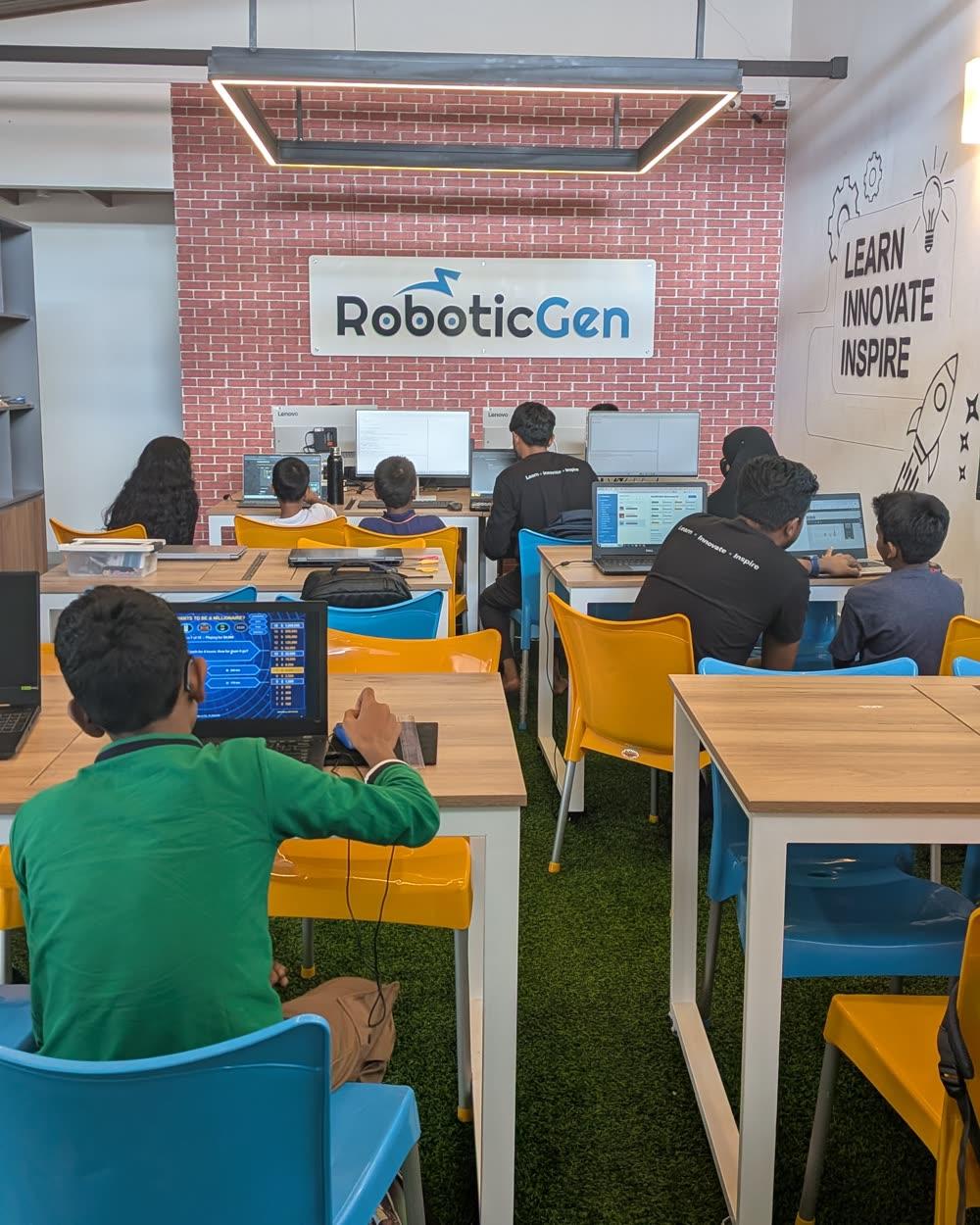
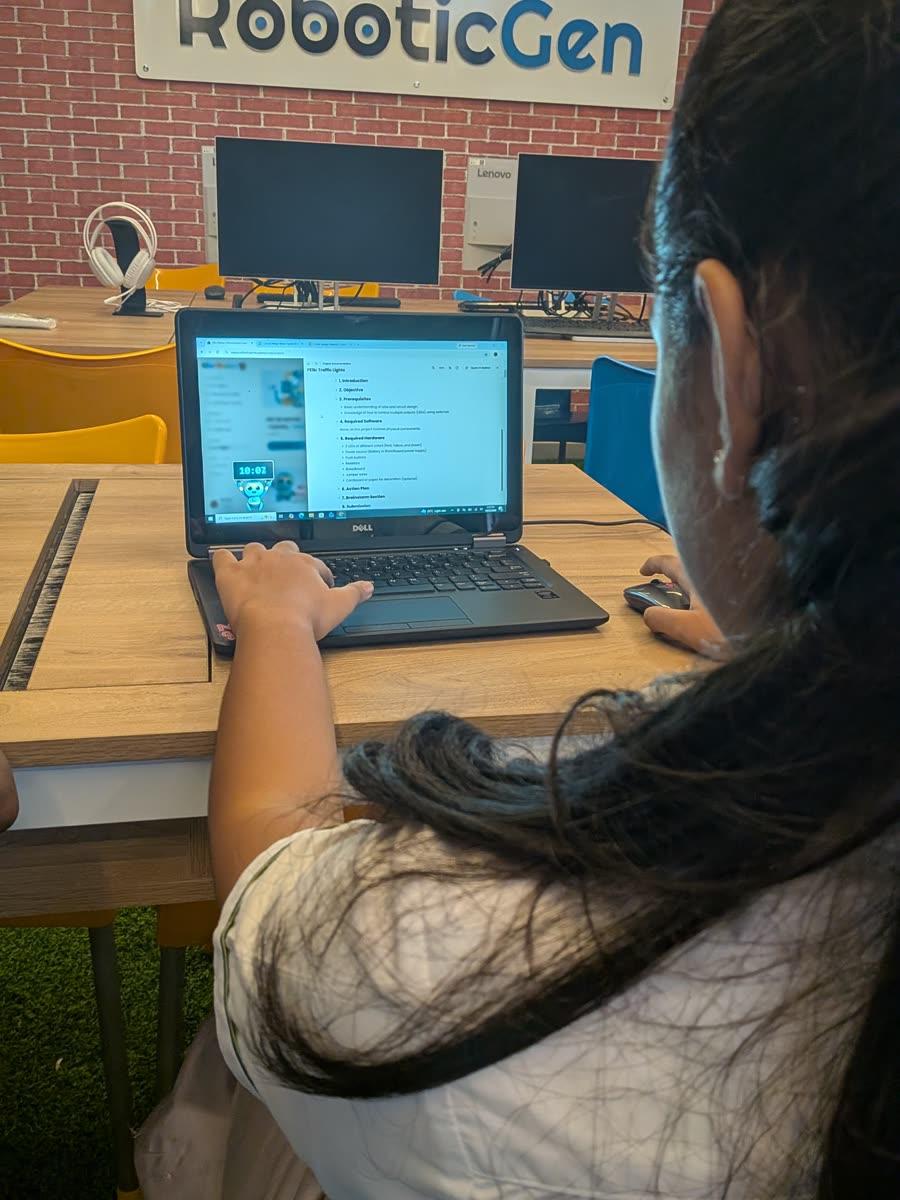
Start small. Grow into a lab of your own.
Each stage stands on its own. Start wherever suits your school.
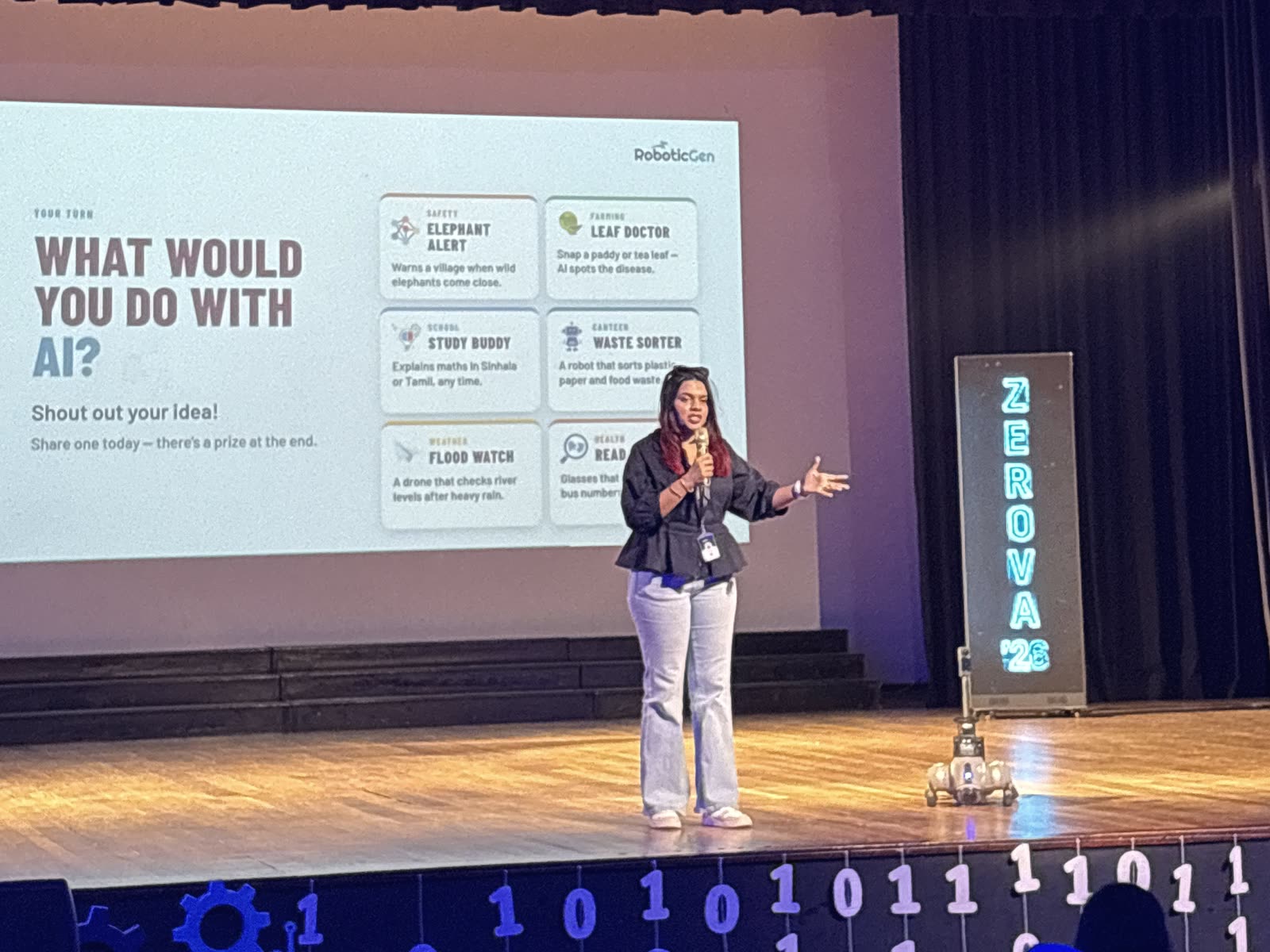
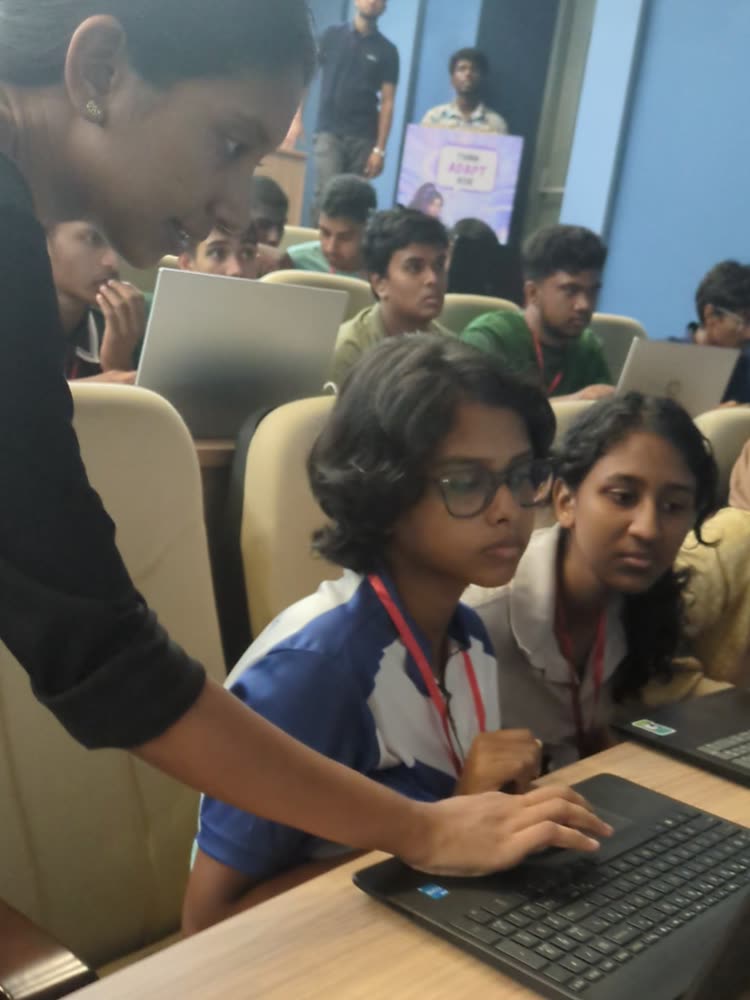
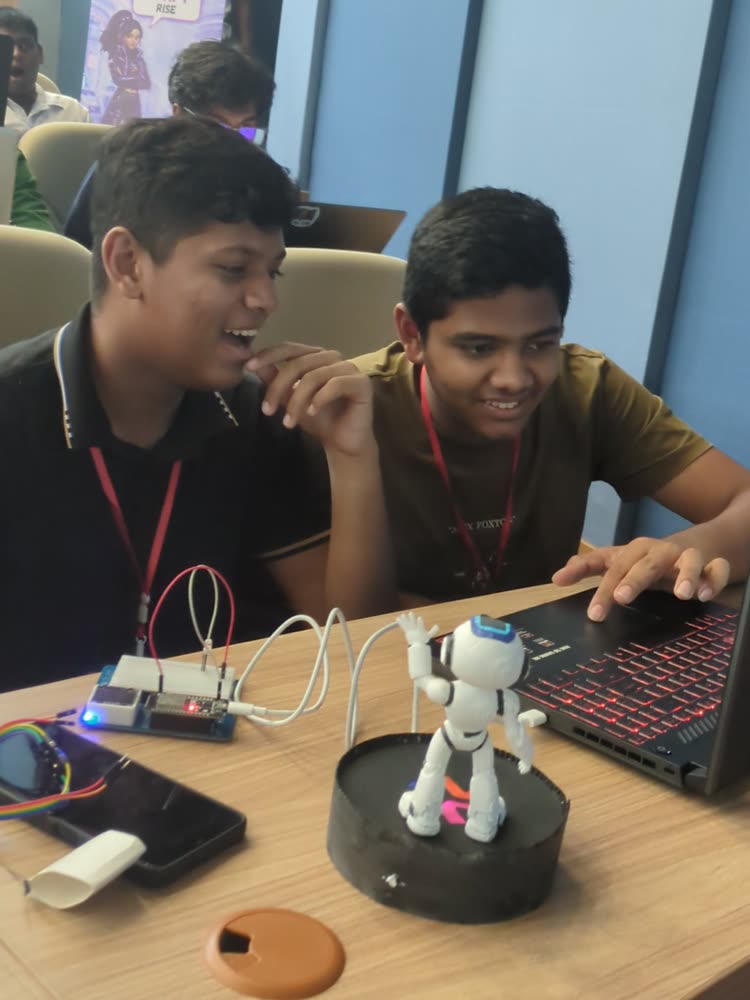
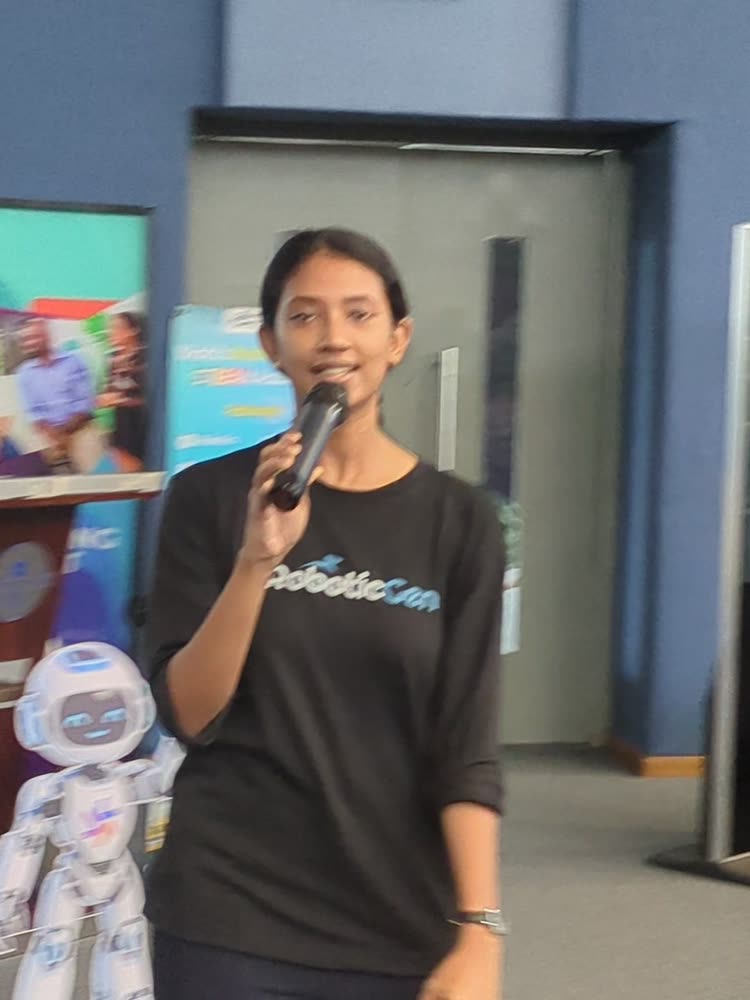
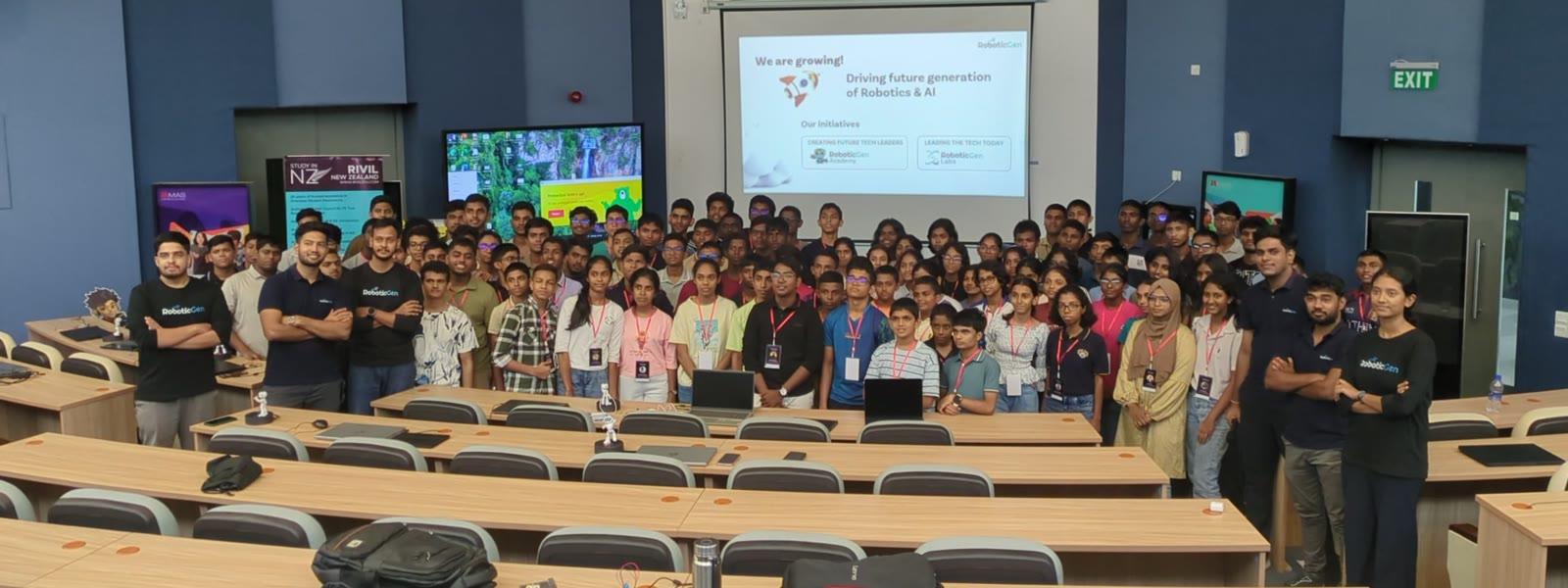
ICT Day, Holy Family Convent, Bambalapitiya On your campusStage 1: We come to your school
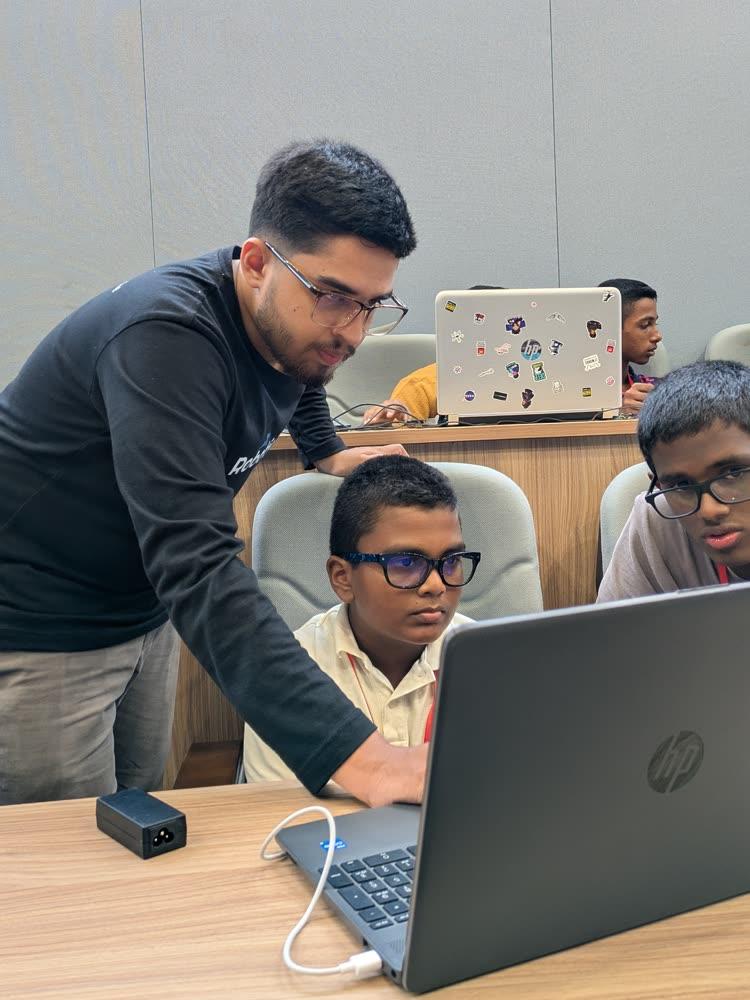
Our mentors come to you: a talk or workshop for your ICT day, or weekly hands-on sessions in the school day or after it.
- Talks and workshops for ICT days and STEAM weeks
- Weekly sessions led by our mentors, with your teacher alongside
- Project kits on loan, with nothing to buy up front
- Progress, certificates and a showcase day for parents
You provide: A room with a screen, computers, a teacher in charge and groups of up to 25.
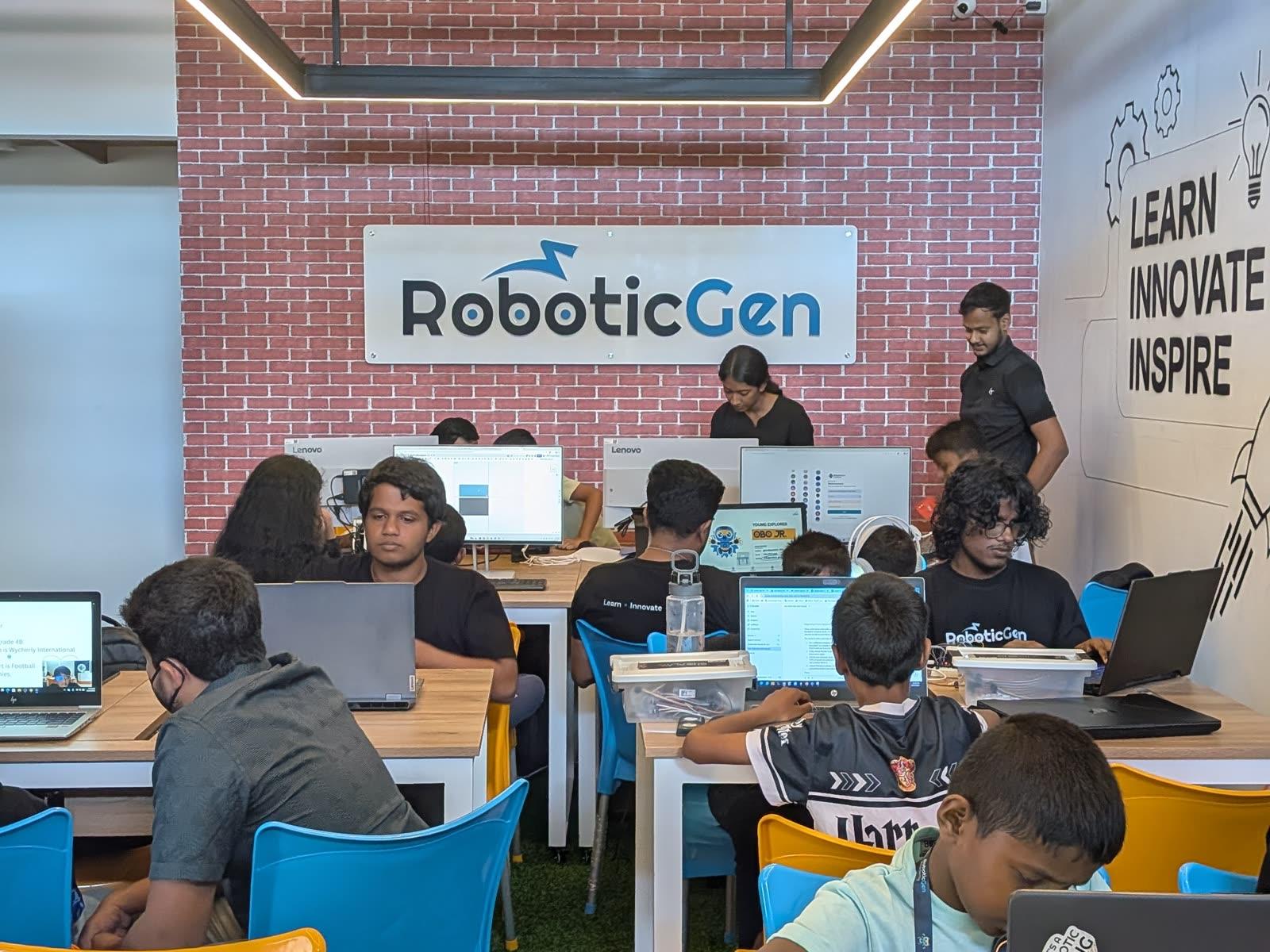
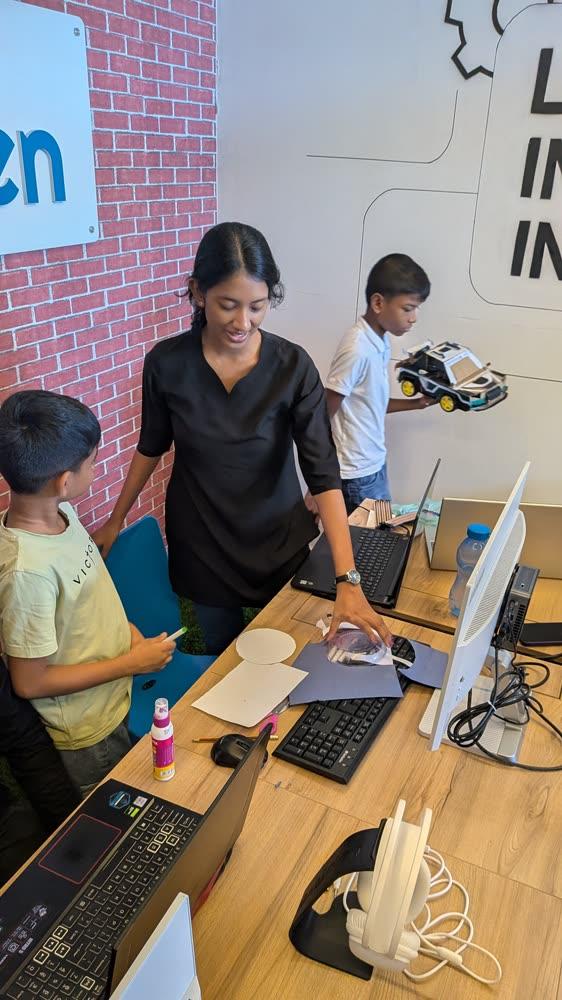
A full class at our Makerspace Dehiwala, Sri LankaStage 2: Your students visit our Makerspace
Bring a class for a one to two hour workshop with robots, electronics and 3D printers. Your leadership team gets to see a working lab too.
- One free workshop a month, on weekday afternoons
- Up to 20 students per visit
- Mentors who guide in English, Sinhala and Tamil
You provide: Transport, a teacher to supervise and a booking made in advance.
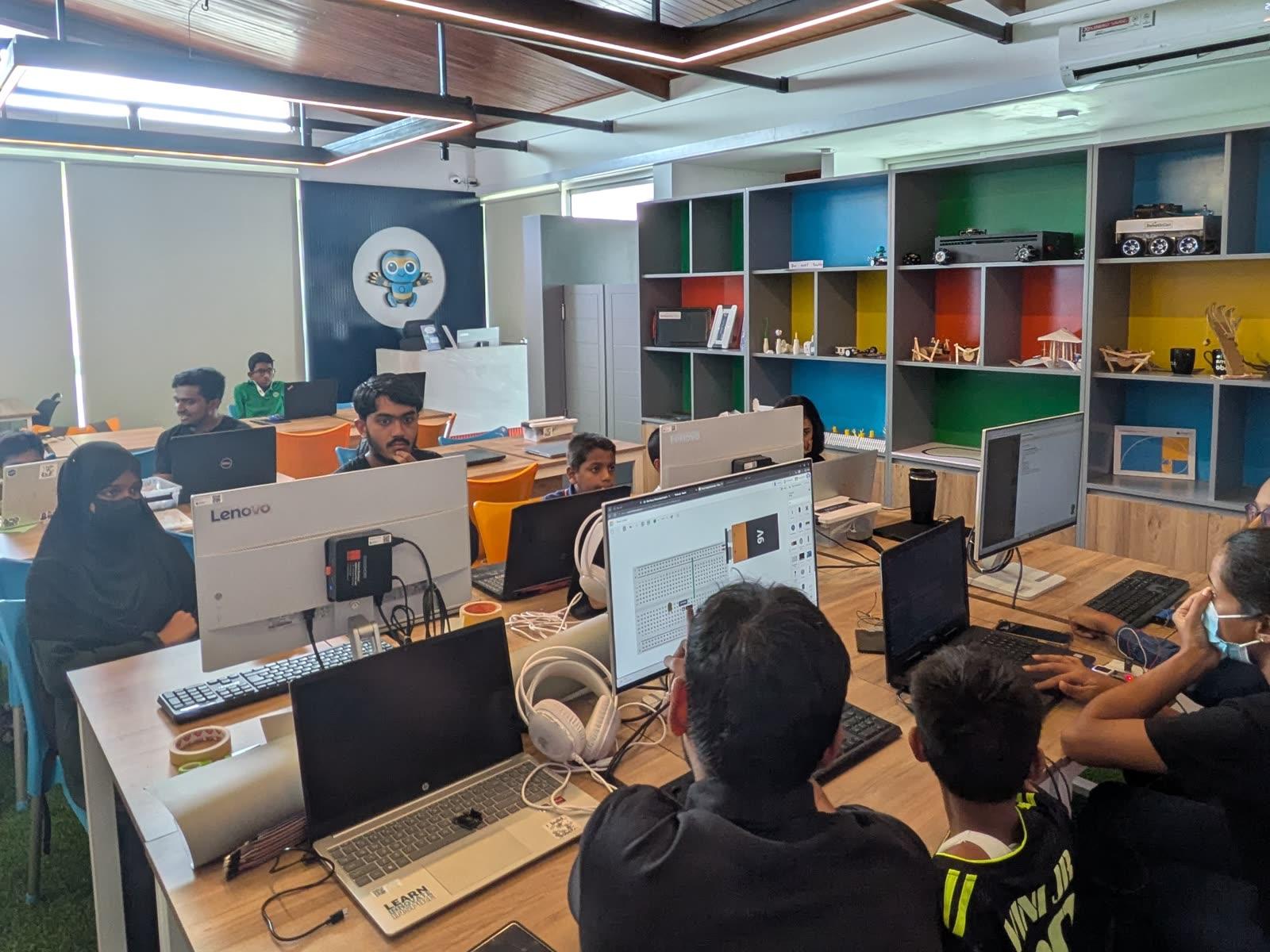
The lab at our Makerspace A long-term partnershipStage 3: Your own STEAM lab
We help you build a lab on campus and train your own teachers to run it, with our curriculum, platform and kits behind them.
- Help planning the layout, tools and equipment
- Teacher training and certification at three levels
- The full curriculum and an Obo Nexus licence
- Kits with classroom bundles, and competition tracks
You provide: The space, teachers to train and time for STEAM in the timetable.
Real students. Real builds.
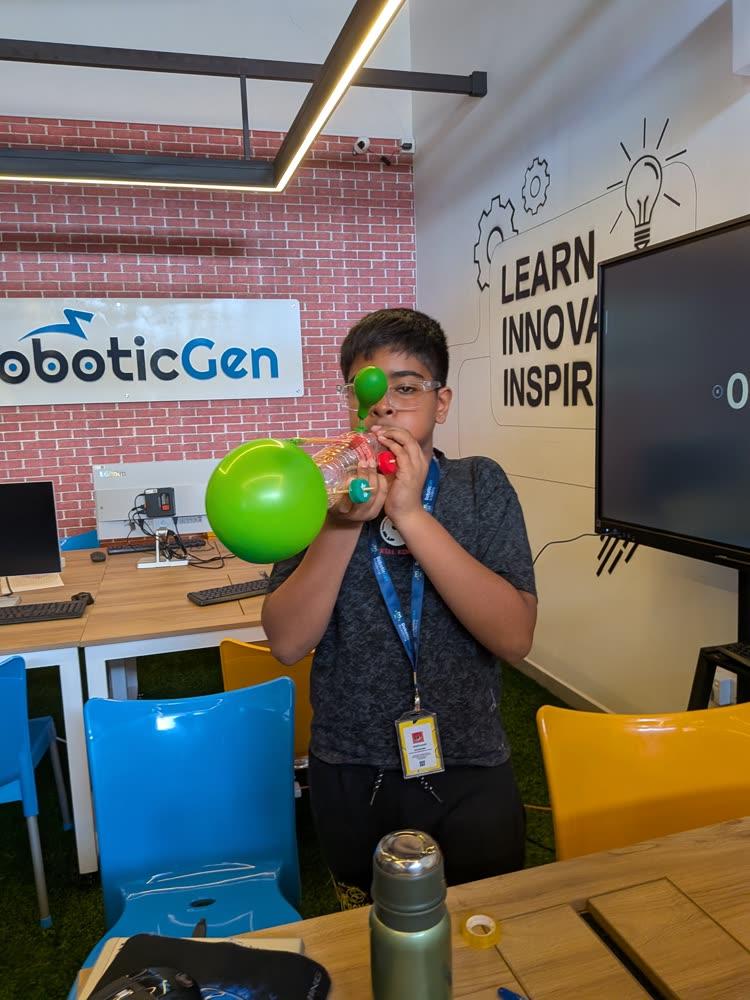
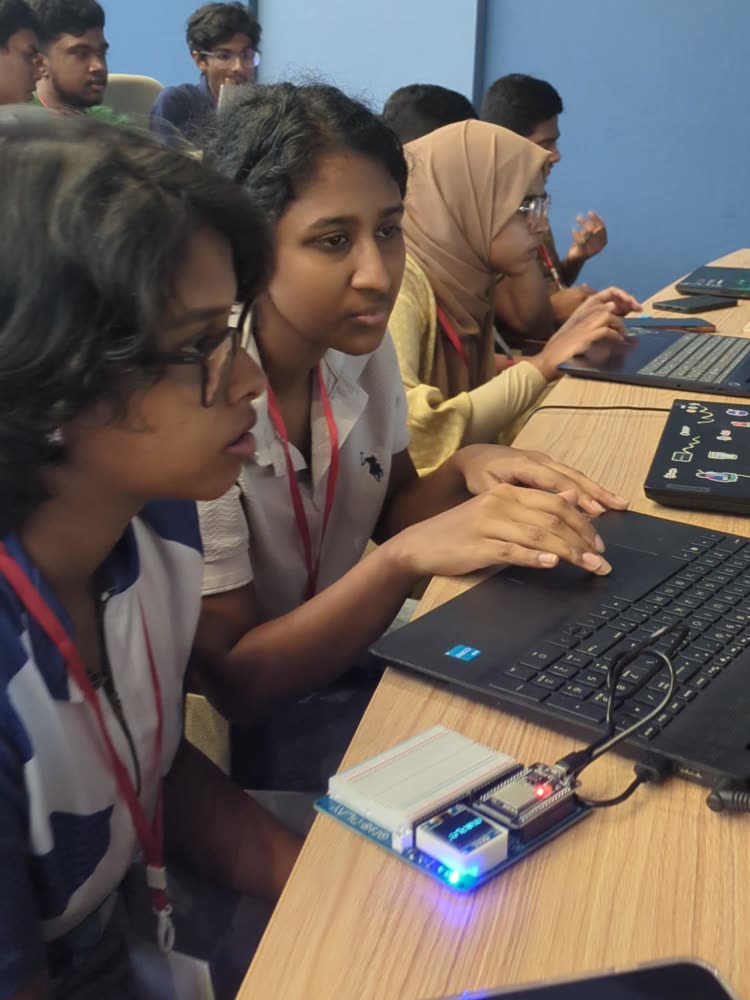
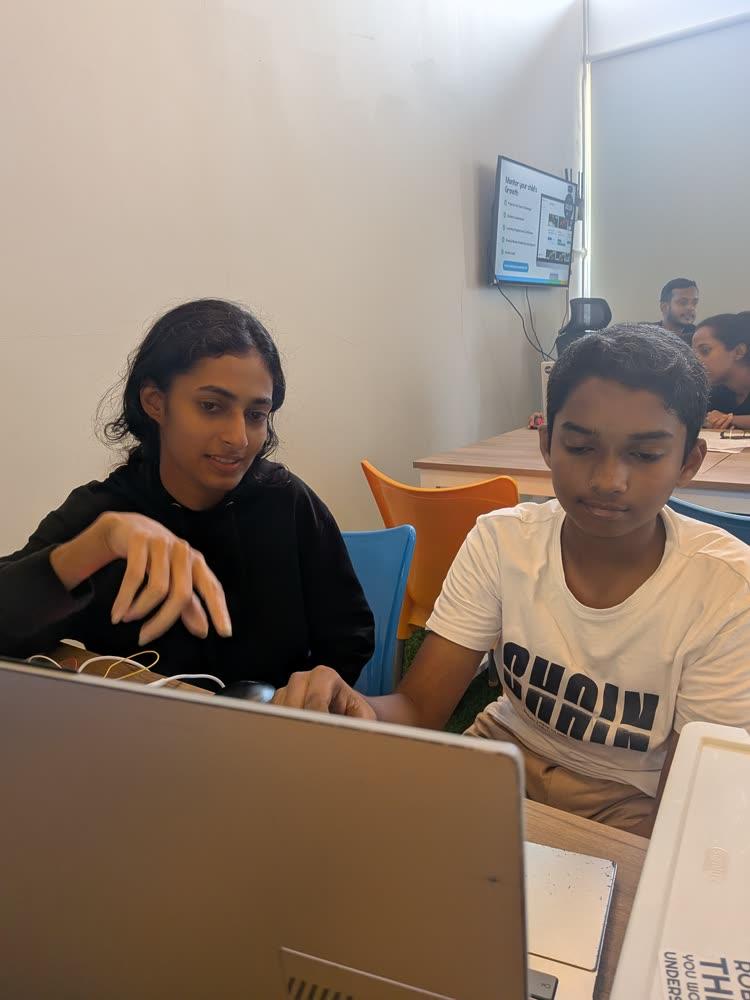
From school ICT days to workshops and our Makerspace.
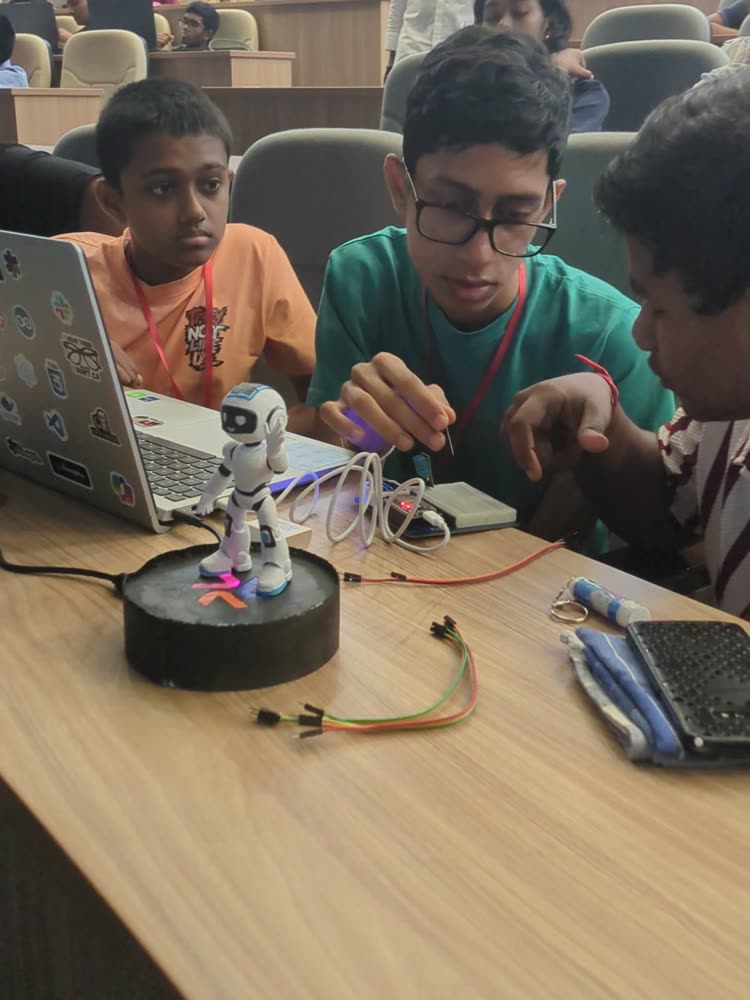
Every project runs the same four steps.
Projects take two to four weeks, from idea to pitch.
- 1
Get inspired
A real problem, often tied to a United Nations Sustainable Development Goal, gives the project a reason.
- 2
Learn it
Short lessons cover only the concepts and tools the build needs.
- 3
Build it
Students plan, design and build, then test and fix until it works.
- 4
Pitch it
They present what they made and why, to classmates, parents or judges.
One curriculum from age 5 to 16.
Mapped to the syllabi your school already teaches, so STEAM sessions reinforce computing, science and maths instead of competing with them.
Ages 5 to 7
Pre-STEAM
First steps in computing, building and design, through play
Aligned with Pearson Edexcel iPrimary and early-years frameworks
Ages 7 to 10
Starters
Computing, electronics, design and crafts, AI, robotics, code and games
Mapped to Pearson Edexcel, Cambridge and the Sri Lankan national syllabus for Grades 3 to 5
Ages 10 and up
Foundation
Programming, embedded systems, 3D design and digital media
Leads into the specialist pathways below
Then, specialist pathways
Older students go deep in the area they love most.
- Robotics
- Programming and AI
- Game Development
- Internet of Things
We bring the programme. You bring the school.
RoboticGen brings
- Projects and curriculum
- OboCode, OboPlayground and Obo Nexus
- Project kits
- Mentors and teacher training
- Competitions
Your school brings
- The space
- Teachers
- Students and their parents
- Day-to-day running
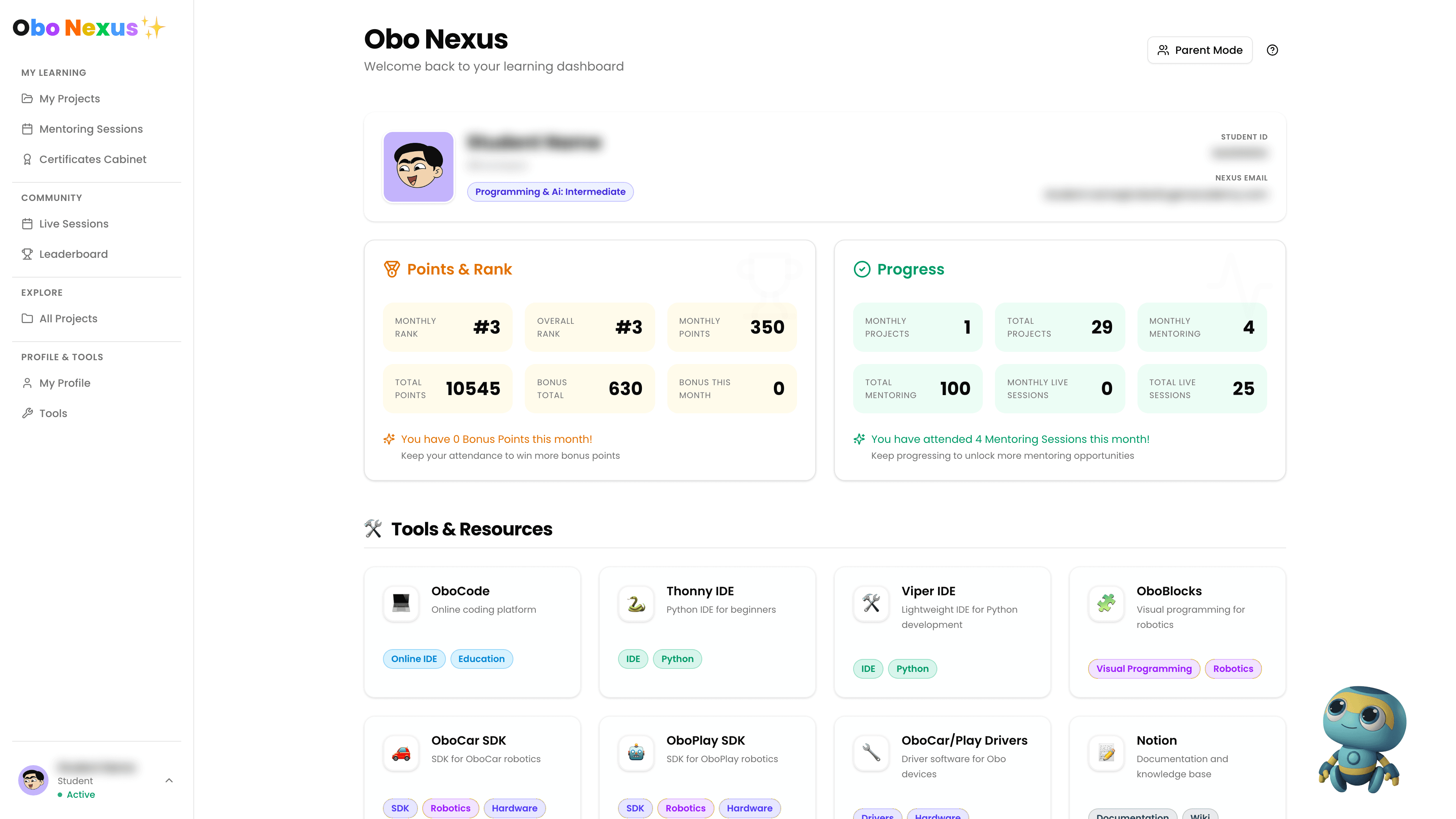
Obo Nexus
Every project, certificate and piece of mentor feedback in one place, for students, teachers and parents.
Project kits
Designed for our curriculum, with classroom bundles for whole year groups.
 OboPlay Kit
 OboTool Kit
 OboCar Kit
Schools we have worked with
- Ananda College
- Wycherley International School
- Althea International School
- Holy Family Convent
- Elizabeth Moir School

Coolest Projects Sri Lanka 2025
5 winners in Game Development, Scratch, AI and Advanced Programming
Coolest Projects Sri Lanka 2024
3 winners, including Most Popular Project awards
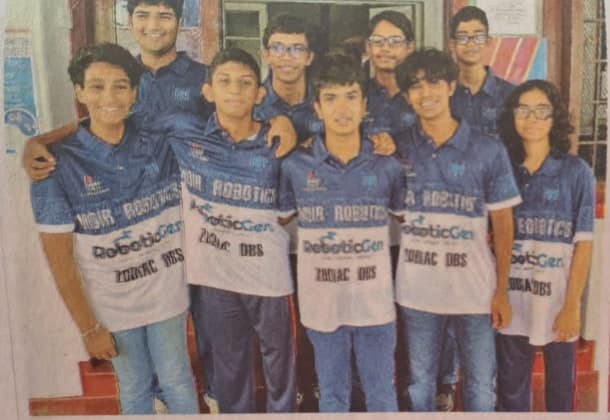
FIRST Tech Challenge 2024
The Elizabeth Moir School team, sponsored by RoboticGen, competed in Goa
STEM.org Accredited
An international standard for the quality of STEM education
Questions schools ask us
Let's plan your first term.
Tell us how many students, which grades and where you would like to start. We will come back with a plan.